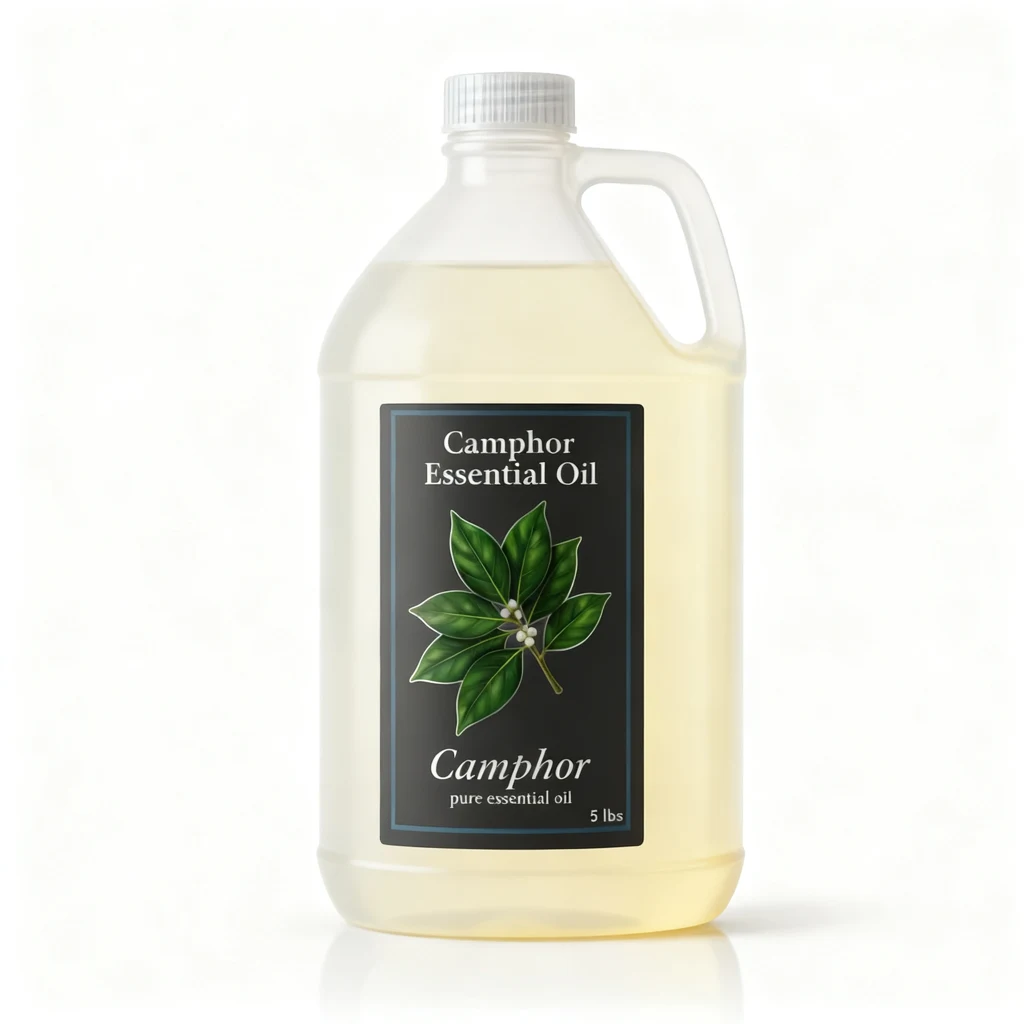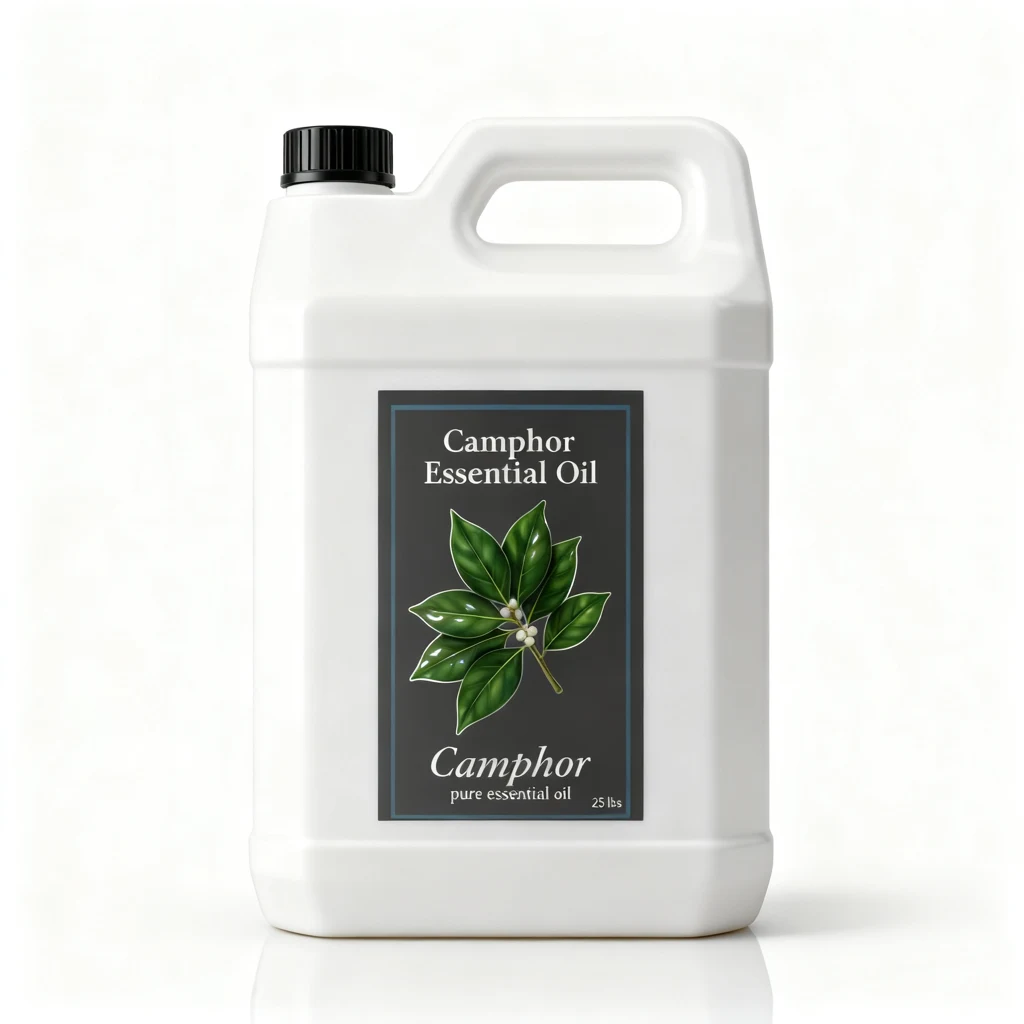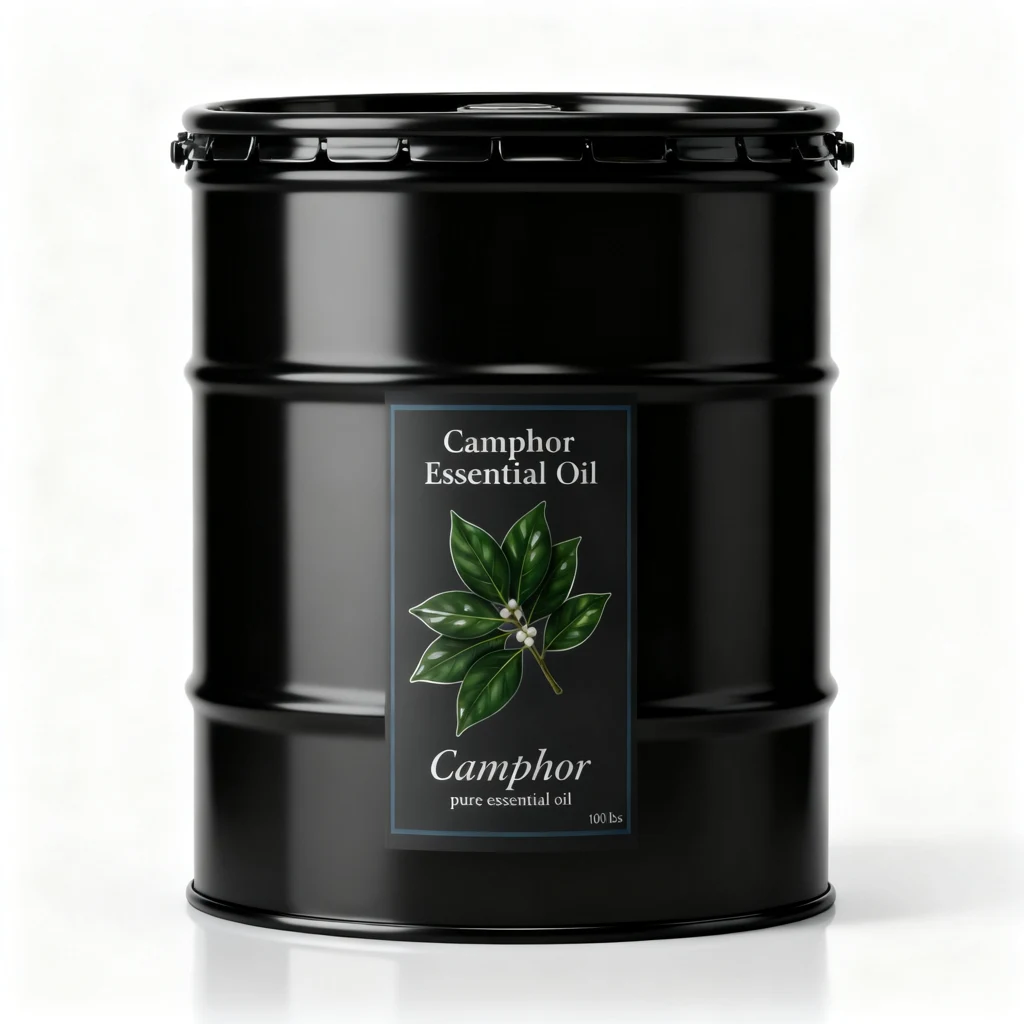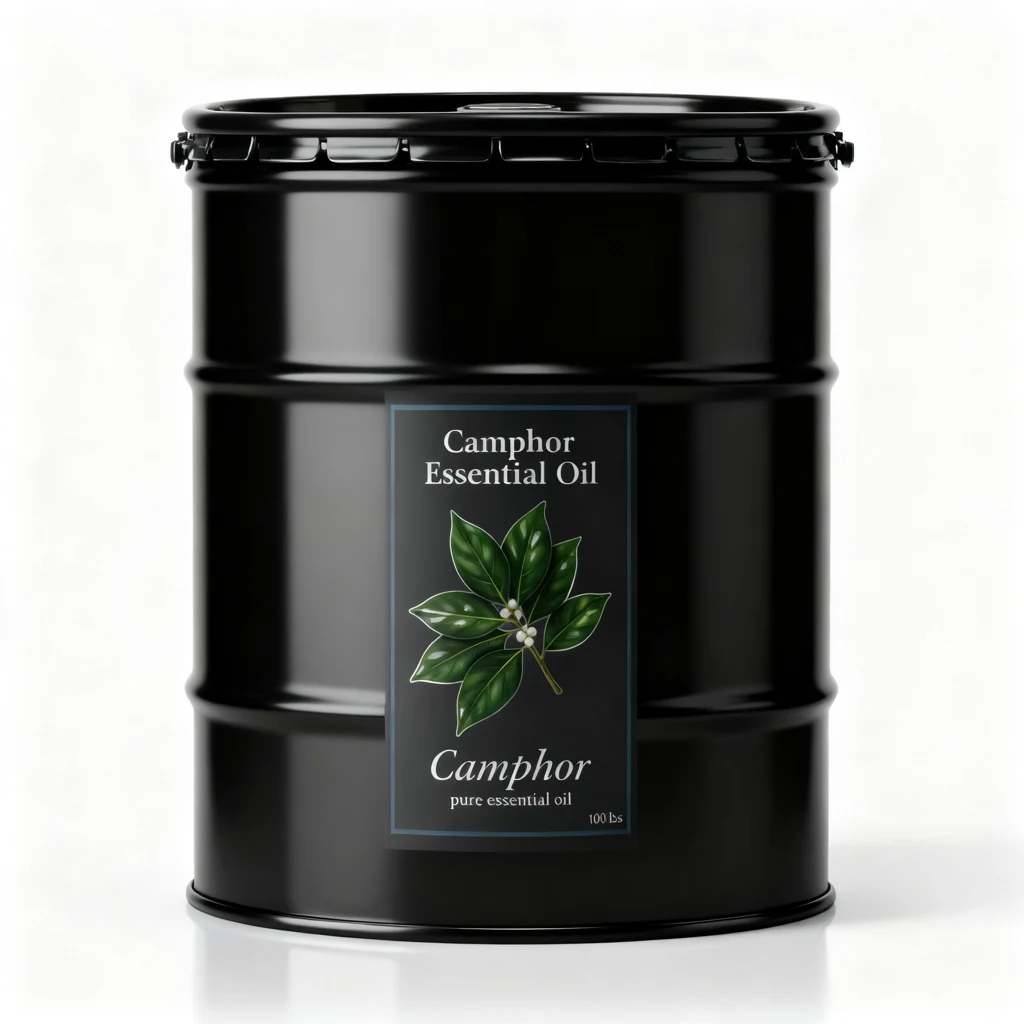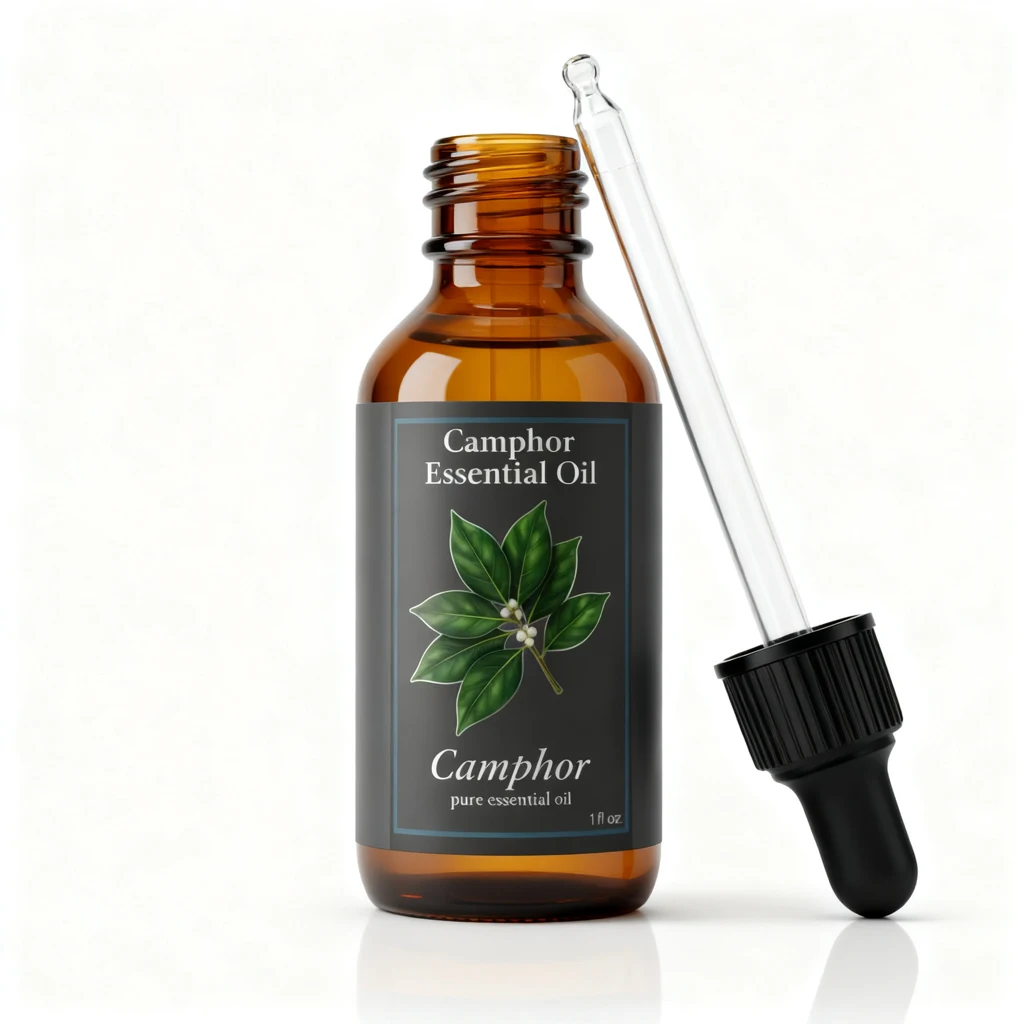
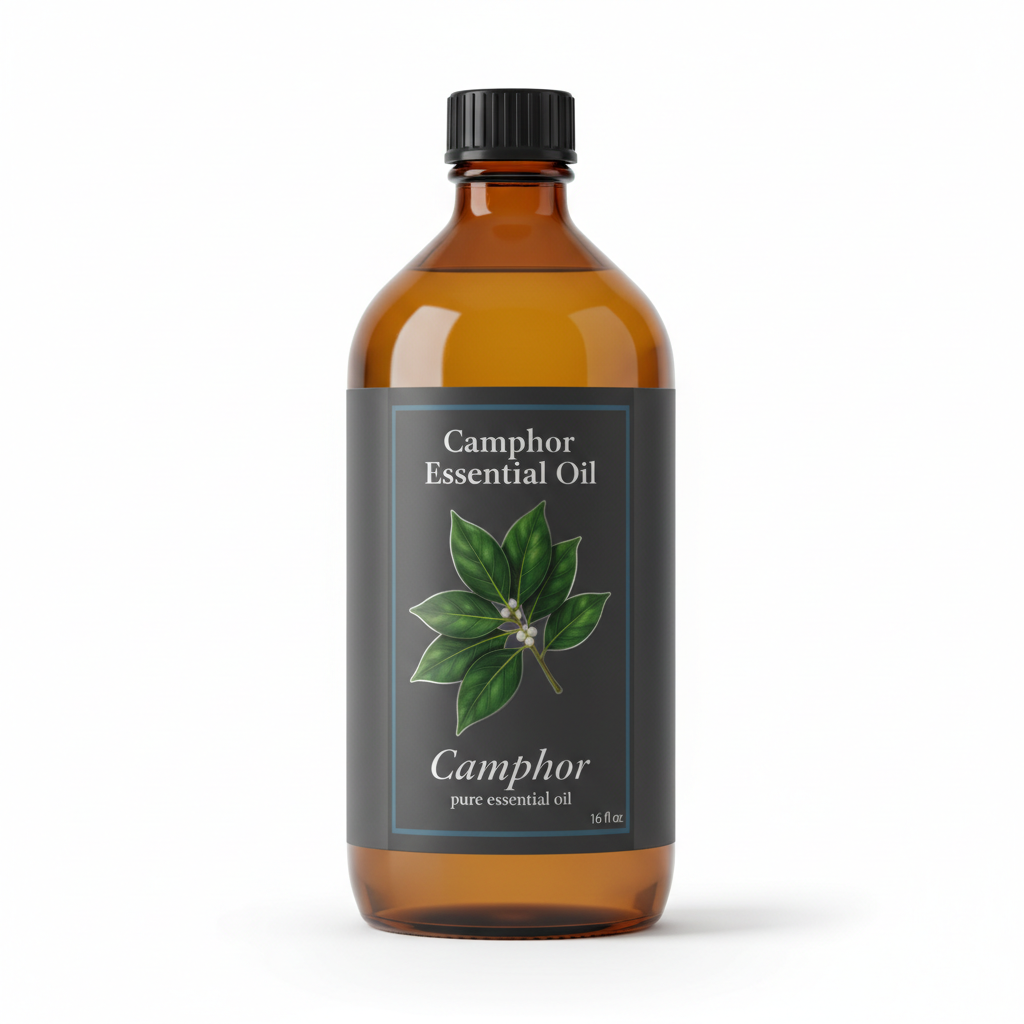
Camphor Essential Oil bottle

A Thousand Years of Clarity

Camphor Essential Oil

Sharp, ice-cool camphor cuts through a blend instantly, waking lavender, rosemary, and citrus notes with one crisp, woody snap.

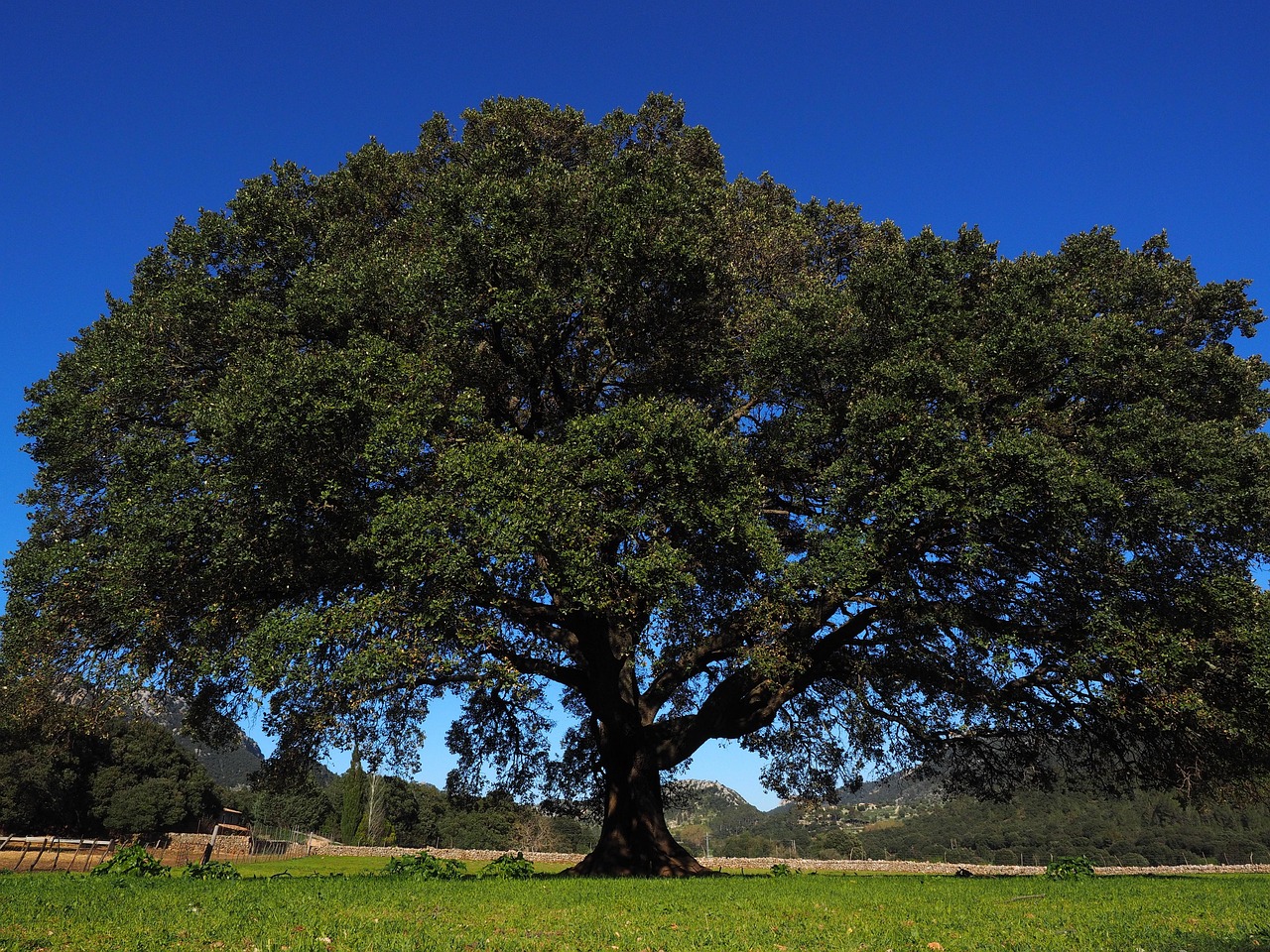
Few scents cut through the air like camphor. Distilled from the wood of Cinnamomum camphora, this crystalline, piercing oil has scented temples, wardrobes, and craft workshops for a thousand years. We offer white camphor oil, the light fraction favored for fragrance work.

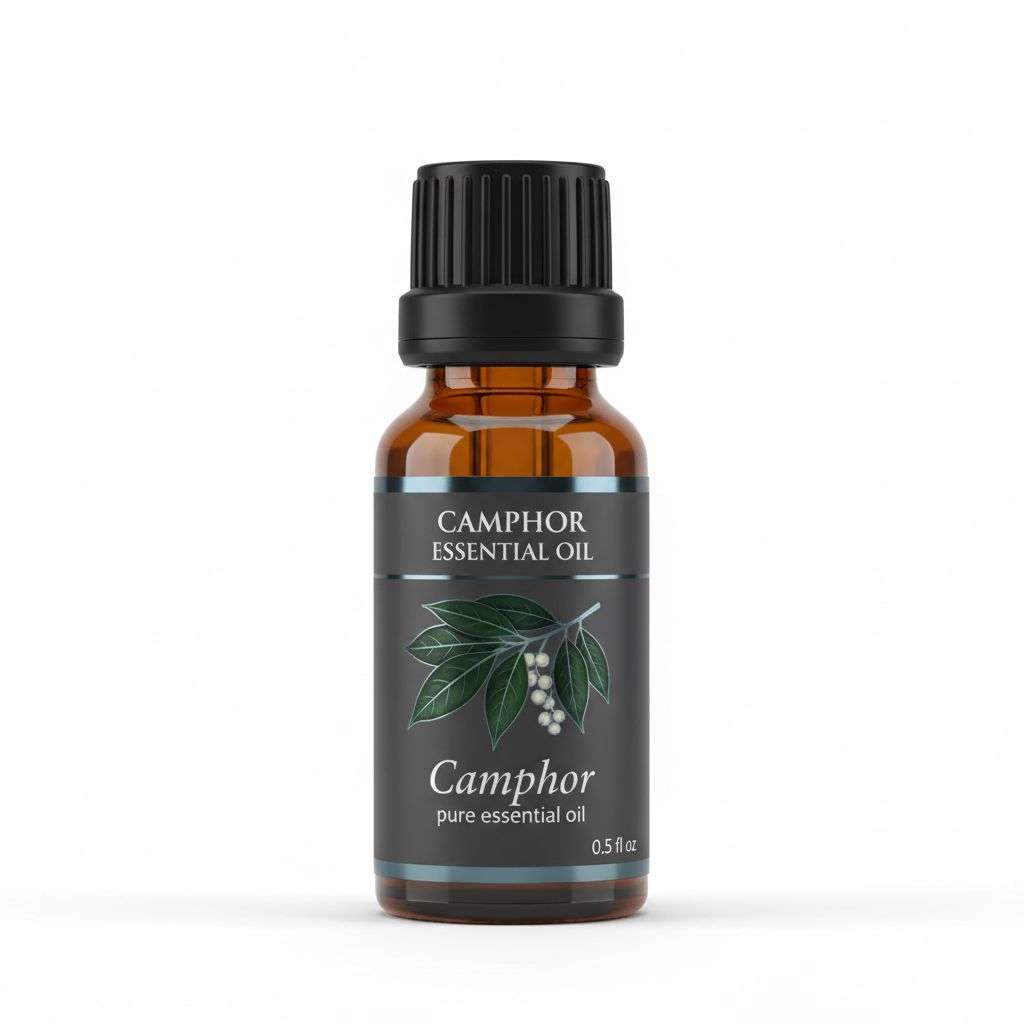
From $8.69 for 0.5 oz · sizes up to 400 lbs

Shop Camphor Essential Oil
Candle Studios, Wardrobe Brands, and Perfumers

Camphor Oil, Priced by the Pound

This camphor oil scales for production runs in 5 lbs, 25 lbs, 100 lbs, and 400 lbs, backed by one published COA.

See Bulk Pricing →
Carefully refined fraction
🌳 Cinnamomum camphora from China, Japan, Taiwan, Vietnam
📄 Lab-verified purity (COA)
🔒 Secure Shopify checkout

Camphor Oil's Craft Advantages

Pick Your Camphor Project

Candle & Soap Crafting

Camphor's crisp, cooling note gives cold-throw lift to soap and candle blends built for craft studios.

Explore →

Diffusing & Blending

Add camphor in small drops to diffuser blends and perfume accords for a sharp, clarifying lift.

Explore →

Wardrobe & Closet Freshening

Use camphor in sachets and closet fresheners for the crisp, old-apothecary scent this oil is known for.

Explore →

Bulk & Wholesale Supply

Soap houses, candle studios, and formulators can order camphor oil by the pound at lower per-ounce pricing.

Explore →

From Sample Bottle to Production

🔒 Secure Checkout
📦 Fast Shipping
📄 Lab-Verified Purity (COA)
🌿 Cruelty-Free

About Camphor Essential Oil

Camphor essential oil is obtained by steam-distilling the wood of Cinnamomum camphora, a stately evergreen native to East Asia. The crude distillate is fractionated, and the white fraction we carry is the portion used in perfumery and craft scenting.

The aroma is sharp, clean, and intensely cooling, with a dry woody backdrop. In fragrance work camphor acts like an exclamation point: tiny amounts snap a blend awake and give lift to lavender, rosemary, citrus, and conifer notes.

Camphor belongs to the fragrance and craft shelf: wardrobe sachets, closet fresheners, artisan candle blends, and room sprays with an old-apothecary character. It is a strong oil, so measure in drops, keep dilutions low in any project that touches skin, and store it well away from children and pets.

Wood to White Fraction

Wood Harvest

Mature Cinnamomum camphora wood is gathered and chipped in preparation for steam distillation.

Steam Distillation

The wood chips are steam-distilled, releasing a crude camphor oil along with camphor crystals and other fractions.

Fraction Isolation

The crude distillate is fractionated to isolate the white fraction prized for perfumery and craft scenting.

Batch Testing

Each finished batch is checked by an independent lab, and the results are turned into the document buyers can review here.

Bottling & Storage

Finished camphor oil is bottled and stored away from heat and light to protect its sharp, cooling character.

Proof Behind Every Bottle

Camphor oil is easy to cut with synthetic substitutes or stretch with carrier oil, so a buyer's best defense is documentation rather than guesswork. Every bottle here traces to one fractionated batch of Cinnamomum camphora wood distillate with a paper trail behind it.

An outside lab checks each fractionated batch we bottle, and we post that report directly on this site rather than keeping it in a drawer. Ask any seller of synthetic camphor fragrance for the same kind of paperwork, and see how far that request gets.

Camphor Essential Oil vs. Synthetic Camphor Fragrance

Real Camphor OilSynthetic Camphor Fragrance
SourceDistilled and fractionated from real Cinnamomum camphora woodBuilt in a lab from petrochemical building blocks
AromaSharp, cooling, and crystalline, with a natural woody depthOften a flatter, one-note approximation of that same coolness
CompositionA single natural fraction, not a mixed formulationA blended mix of synthetic isolates and diluents
DocumentationEach batch's outside lab report is posted for reviewRarely offers any paperwork at all
Best forPerfumery, candle work, and crafts wanting the genuine noteCheap mass-market scenting with no botanical origin claimed

Read the full comparison →

One Species, One Honest Fraction

1 species

Every bottle traces back to a single species of tree

Wood

The plant part distilled to create this oil

White fraction

The specific isolate we bottle, chosen for scenting and craft use

4 regions

China, Japan, Taiwan, and Vietnam all grow the source tree

Start With These Camphor Guides

These three guides cover the basics: diffuser use, safe dilution, and what camphor actually smells like.

Complete GuidesHow To GuidesDiy RecipesBuying GuidesComparisonsTop PicksSeasonalScience ResearchFAQ

Browse all articles →

Camphor Oil by the Pound

Soap houses, candle studios, and independent perfumers who go through camphor oil by the ounce eventually need it by the pound. Our 5, 25, 100, and 400 pound sizes are cut from the same fractionated wood distillate as our small bottles, and every size ships under the same outside lab report we publish for the current batch.

🔒 Secure Checkout
📦 Fast Shipping
📄 Lab-Verified Purity (COA)
🌿 Cruelty-Free

Notes on This Camphor

How much camphor works in a candle recipe for a strong cold throw?
Camphor is intense, so start with a small percentage of your total fragrance load, typically well under what you'd use for a softer floral or citrus oil. Test in a small candle batch first, since camphor's cooling sharpness carries much further than gentler notes.
How does camphor oil perform when added to cold-process soap?
Camphor is a volatile top note, so its sharp coolness fades noticeably as cold-process soap cures over several weeks. Many soap makers pair it with heavier woods like cedar or vetiver to anchor the scent, adding camphor near trace to preserve its crisp opening character.
What does camphor oil pair well with in a fragrance blend?
Camphor works best as an accent rather than a base note. It brightens lavender, rosemary, eucalyptus, and citrus oils, and cuts cleanly through heavier conifer and woody blends, adding a crisp lift without taking over the rest of the composition.
Why does camphor oil come from several different countries?
Camphor trees grow across East Asia, and the wood used for distillation is sourced from groves in China, Japan, Taiwan, and Vietnam depending on availability. We fractionate the crude distillate and bottle only the white fraction, the portion favored for perfumery and craft scenting.
These statements have not been evaluated by the FDA. Products are not intended to diagnose, treat, cure, or prevent any disease.